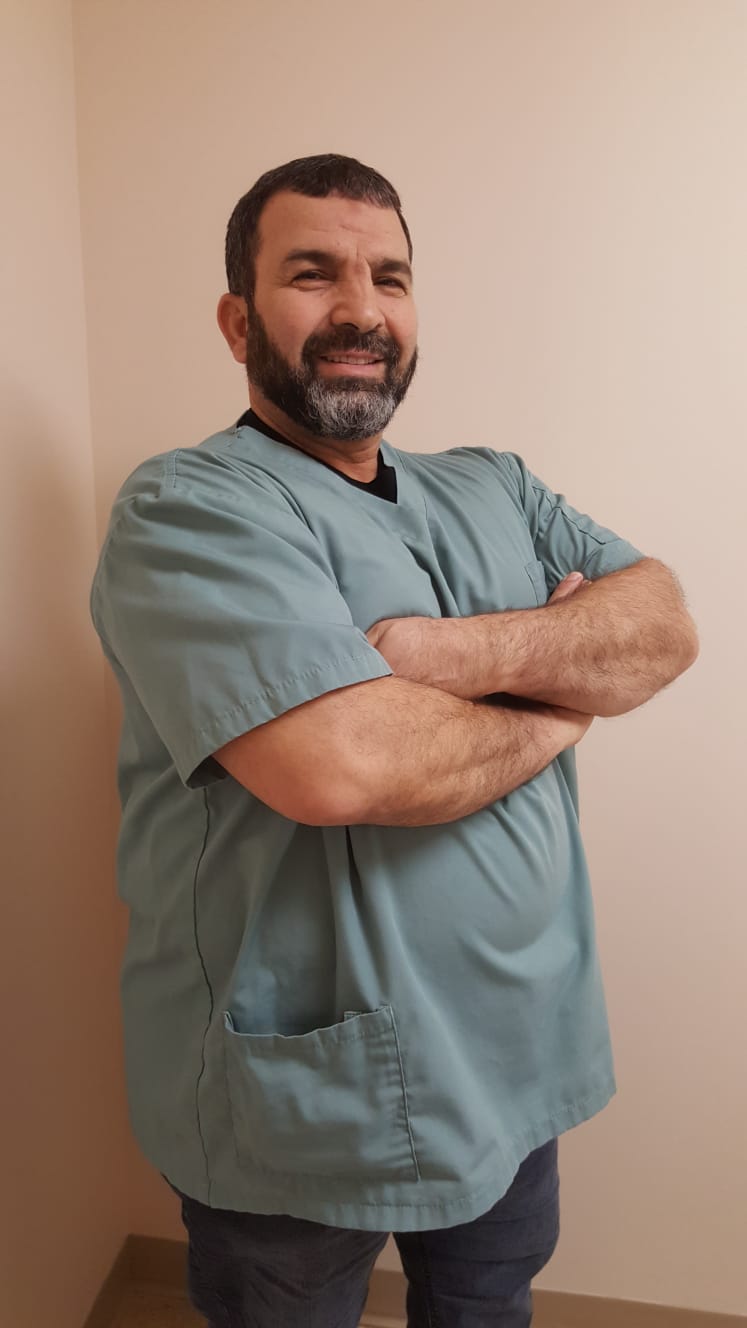
Anwar Iraki Cupping Specialist.
With more than 36 years of experience in cupping practice, Anwar Iraki provides traditional wet cupping / Hijama and dry cupping at Rose Cupping Therapy in London, Ontario.
Decades devoted to the practice of cupping.
Anwar Iraki is the cupping therapy specialist at Rose Cupping Therapy in London, Ontario. His practitioner profile reflects more than 36 years of experience with traditional cupping techniques.
His practice includes both dry cupping and traditional wet cupping / Hijama. Rather than offering cupping as a small add-on to an unrelated service, cupping has remained the central focus of his work.
That experience can be valuable in the practical details of a session: cup selection and placement, suction control, understanding how different techniques feel, recognizing when treatment should be modified, and explaining aftercare.
Anwar works with clients in both English and Arabic and emphasizes direct communication before treatment begins.
Rose Cupping Therapy does not need exaggerated claims about curing disease or guaranteeing outcomes to demonstrate Anwar's experience. His years of cupping practice, technique and approach can stand on their own.
Repetition creates practical experience.
Decades of working with cupping provide familiarity with different body areas, cup sizes, suction levels, client preferences and treatment responses.
That does not turn cupping into a substitute for medical diagnosis. It does mean clients receive their cupping session from someone whose work has remained focused on the practice.
Controlled suction
Practical experience helps guide cup placement, suction intensity and treatment progression according to the session being performed.
Explaining the process
Clients should understand what type of cupping is being performed, what they may feel and what marks may occur afterward.
Not every session is identical
Treatment areas and techniques can differ based on the reason for the appointment, client preference and relevant health information.
Knowing when cupping isn't enough
Concerning symptoms, injuries or medical conditions may require assessment by an appropriate healthcare professional.
Dry cupping and traditional wet cupping / Hijama.
These techniques share the use of suction, but the procedures and safety considerations are different.
Suction without intentional skin incisions.
Dry cupping uses cups to create controlled suction against the skin without intentionally piercing the skin or drawing blood.
Cups may remain stationary or, depending on the treatment, may be moved across an appropriate area.
Explore Dry CuppingA traditional cupping practice with additional safety considerations.
Wet cupping combines suction with controlled superficial skin openings. Because the skin is intentionally opened, hygiene, single-client materials and aftercare are particularly important.
Wet cupping should not be described as removing unspecified toxins or guaranteeing treatment of a medical condition.
Explore Wet CuppingProfessional care starts before the first cup is applied.
A good cupping experience is about more than the treatment itself. Communication, suitability and aftercare matter too.
Understand why you are visiting
The session begins with a conversation about your reason for considering cupping and relevant health information.
Know which technique is being used
Dry cupping and wet cupping are explained before treatment so you understand the procedure and expected skin effects.
Controlled treatment
Suction and placement are managed according to the technique and how the treatment is being tolerated.
Clear information before you leave
Temporary marks, tenderness and relevant aftercare are discussed so clients know what may follow the session.
Cupping expertise and medical diagnosis are not the same thing.
This distinction makes the practitioner profile stronger, not weaker.
Cupping does not diagnose disease.
Symptoms that may represent an injury, infection, neurological problem, cardiovascular problem or another health condition may require appropriate medical assessment.
Experience does not guarantee outcomes.
More than 36 years of practice reflects extensive experience with cupping technique, but individual treatment responses still vary.
Cupping should complement established care.
It should not replace prescribed medication, rehabilitation, psychotherapy, surgery or another treatment recommended by an appropriate healthcare professional.
Medication should not be stopped for cupping.
Do not stop or change prescription medication for a cupping appointment unless the healthcare professional who prescribed it has instructed you to do so.
Your appointment with Anwar.
A straightforward process from conversation through treatment and aftercare.
Discuss your goals
Explain why you are exploring cupping and share relevant health information.
Choose dry or wet cupping
The procedure and differences between the available techniques are discussed.
Controlled cup placement
Cups are positioned on appropriate areas and suction is applied according to the treatment.
Know what comes next
Temporary marks, tenderness and relevant aftercare are explained before you leave.
Professional cupping includes more than technique.
Clean treatment areas, careful handling of equipment and appropriate single-client materials are especially important when wet cupping is performed.
Learn more about treatments and common questions.
Explore our core services and evidence-conscious information about how people use cupping.
Questions about Anwar Iraki.
Practical information before booking your cupping appointment in London, Ontario.
How much cupping experience does Anwar Iraki have?
Anwar Iraki's practitioner profile identifies more than 36 years of experience in cupping practice.
What type of cupping does Anwar perform?
His practice includes dry cupping and traditional wet cupping / Hijama.
What languages does Anwar speak?
Anwar works with clients in English and Arabic.
Where does Anwar Iraki practise?
Anwar sees clients at Rose Cupping Therapy, 912 Guildwood Blvd in London, Ontario.
Does Anwar diagnose medical conditions?
Cupping treatment should not replace diagnosis or treatment by an appropriate healthcare professional when medical assessment is required.
Can I choose dry or wet cupping?
Rose Cupping Therapy offers both. The differences between the techniques and relevant considerations can be discussed before your session.
Does cupping leave marks?
Temporary circular redness, discoloration, tenderness or bruising can occur where cups are applied.
How do I book with Anwar?
Call Rose Cupping Therapy at (519) 601-7678 or use the contact page to ask about appointment availability.
Book a cupping session with Anwar Iraki in London.
Rose Cupping Therapy provides dry cupping, wet cupping and Hijama from our London, Ontario clinic.
Clients looking specifically for an experienced cupping practitioner can book with Anwar Iraki, whose profile reflects more than 36 years working with cupping techniques.
Appointments are available in English or Arabic.
Book With AnwarReady to book with Anwar Iraki?
Contact our London clinic to discuss dry cupping, traditional wet cupping / Hijama and what to expect from your appointment.