Dry Cupping Therapy
in London, Ontario.
Explore professional dry cupping therapy at Rose Cupping Therapy in London. Dry cupping uses controlled suction without piercing the skin, offering a different experience from traditional wet cupping or Hijama.
What is dry cupping therapy?
Dry cupping is a traditional cupping technique that creates controlled suction on the skin without making incisions or drawing blood.
Cups are placed on selected areas of the body and a vacuum is created inside each cup. This gently lifts the skin and underlying superficial tissue into the cup for a limited period.
Depending on the session, cups may remain stationary or your practitioner may use an appropriate moving technique on selected areas.
People explore dry cupping for different wellness goals, including relaxation, muscle comfort and as part of broader recovery routines. Individual experiences vary.
That is the main distinction between dry cupping and wet cupping. Dry cupping relies entirely on suction, while wet cupping / Hijama includes a superficial skin technique.
What happens during a dry cupping session?
Your session begins with a conversation and continues through careful cup placement, controlled suction and aftercare guidance.
Start with a conversation
Discuss your goals, questions, relevant health information and the areas being considered for treatment.
Position the cups
Cups are placed on selected areas according to the type of session being performed.
Apply controlled pressure
A vacuum is created inside the cups, gently drawing the skin upward for a controlled period.
Remove and review
Cups are carefully removed and your practitioner explains temporary marks and relevant aftercare.
A complementary option for different wellness routines.
People come to dry cupping with different goals. Some are athletes, some are looking for a relaxing treatment experience, and others simply prefer a cupping technique that does not involve skin incisions.
Dry cupping is a complementary practice and should not be presented as a cure or substitute for appropriate medical treatment.
Tight or tired muscles
Some clients explore dry cupping as part of a broader routine for muscle comfort and physical recovery.
Training recovery
Athletes sometimes include cupping alongside rest, mobility work and other recovery practices.
A slower wellness session
Some people enjoy the overall experience of dry cupping as part of a relaxation or wellness routine.
Cupping without skin piercing
Dry cupping may appeal to people interested in cupping who do not want the superficial skin technique used in wet cupping.
Two techniques with an important difference.
Both approaches use cups and suction, but the treatment process is not the same.
Suction without skin incisions.
Dry cupping uses controlled suction only. The skin is not pierced and blood is not intentionally drawn.
Ask About Dry CuppingSuction with a superficial skin technique.
Wet cupping includes controlled suction plus a superficial skin step and therefore involves different hygiene and aftercare considerations.
Explore Wet CuppingWellness care without exaggerated promises.
Cupping has a long history of traditional use, but that does not mean every modern health claim associated with it has been proven.
Research into cupping continues. Some studies have explored pain and other outcomes, but evidence for many claimed benefits remains limited.
Our approach is to explain the technique, discuss what you may experience and avoid promising results that cannot be guaranteed.
Professional standards still matter with dry cupping.
Dry cupping does not intentionally break the skin, but careful equipment handling and a clean treatment environment are still important parts of professional cupping care.
Our goal is to provide a clean, organized environment where clients can comfortably ask how equipment is prepared and what procedures are followed.
Tell your practitioner what may be relevant.
Dry cupping does not pierce the skin, but relevant health conditions and skin concerns can still affect whether treatment is appropriate.
Skin irritation or infection
Tell your practitioner about active skin infections, open wounds, significant irritation or other concerns in areas being considered.
Easy bruising or bleeding concerns
Cupping can produce marks and bruising. Tell your practitioner about relevant bleeding or bruising concerns.
Pregnancy or medical conditions
Pregnancy and some health conditions may affect treatment areas or whether cupping is appropriate for you.
Recent injuries or procedures
Tell your practitioner about recent surgery, injuries or other procedures involving the area being considered for cupping.
What you may notice after your session.
Temporary marks are a common part of cupping and do not necessarily indicate an injury.
Circular discoloration
The suction used during dry cupping may leave circular red, pink, purple or darker marks on the treated skin.
Mild tenderness
Some clients may notice temporary tenderness or sensitivity in areas where cups were placed.
Ask if something feels unusual
Contact the clinic if you have questions after treatment. Seek appropriate medical care for severe or concerning symptoms.
Decades of experience with dry and wet cupping.
Rose Cupping Therapy's practitioner profile identifies Anwar Iraki as a cupping specialist with more than 36 years of experience in traditional cupping practices.
His work includes both dry cupping and traditional wet cupping / Hijama, allowing clients to discuss the differences between the available approaches before treatment.
Questions about dry cupping therapy.
Helpful information for people considering dry cupping in London, Ontario.
What is dry cupping therapy?
Dry cupping is a traditional practice that uses cups to create controlled suction on the skin without piercing the skin or intentionally drawing blood.
What is the difference between dry cupping and wet cupping?
Dry cupping uses suction only. Wet cupping, also known as Hijama, combines suction with a controlled superficial skin technique.
Does dry cupping hurt?
Sensations vary. The suction commonly feels tight or pulling. Tell your practitioner if the pressure becomes painful or uncomfortable.
Does dry cupping leave marks?
Yes. Temporary circular redness, discoloration, tenderness or bruising can occur where cups have been applied.
Is dry cupping the same as Hijama?
No. Hijama commonly refers to wet cupping, which includes a superficial skin technique. Dry cupping does not intentionally pierce the skin.
Is Rose Cupping Therapy inspected?
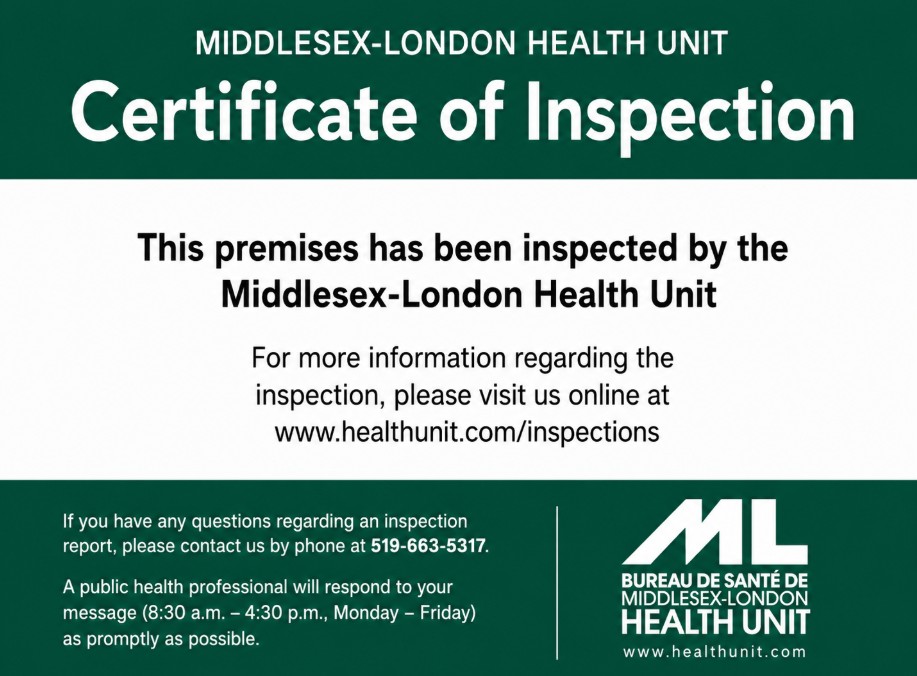
Rose Cupping Therapy displays its Middlesex-London Health Unit Certificate of Inspection on the website and at the clinic.
How do I book dry cupping in London, Ontario?
Call Rose Cupping Therapy at (519) 601-7678 or use our contact page to ask about dry cupping appointment availability.
Learn more about cupping and our clinic.
Compare techniques, review our clinic standards and explore related cupping therapy information.
Professional dry cupping care in London.
Rose Cupping Therapy provides dry cupping therapy from our London, Ontario clinic.
Whether you are new to cupping or already familiar with the technique, we encourage you to ask questions about cup placement, suction, temporary marks, clinic hygiene and what to expect during your session.
Our approach combines years of cupping experience with clear communication and a professional treatment environment.
Book Dry Cupping TherapyReady to discuss a dry cupping session?
Contact our London clinic to ask questions about dry cupping, the treatment process, clinic safety or appointment availability.