Cupping for Weight Loss
in London, Ontario.
Some people exploring weight management also consider complementary wellness practices such as cupping. At Rose Cupping Therapy, we keep expectations realistic: cupping can be part of your wellness routine, but it should not be presented as a shortcut that burns fat or guarantees weight loss.
Body weight is influenced by more than one thing.
Weight management is influenced by eating patterns, physical activity, sleep, stress, medications, health conditions, hormones, genetics, age, environment and other factors.
That complexity is one reason it is misleading to describe any single wellness treatment as the answer to weight loss.
Cupping applies controlled suction to selected areas of the body. It does not physically remove body fat, create an energy deficit or allow a practitioner to determine why someone is gaining or losing weight.
If someone chooses cupping while also working on weight-management goals, it is better viewed as a separate complementary wellness practice.
Nutrition, physical activity, sleep, stress management and appropriate healthcare remain important. Some people may also need individualized medical or nutritional support depending on their circumstances.
Sustainable weight management is rarely about one treatment.
Different people face different barriers, so a responsible approach starts by avoiding one-size-fits-all promises.
Eating patterns matter
Food choices, portions, meal patterns, access to nutritious food and individual dietary needs can all influence weight management.
Physical activity matters
Regular movement supports health and can form part of an individualized approach to managing weight and physical fitness.
Lifestyle patterns matter
Sleep quality and stress can influence routines, appetite, activity and how manageable healthy habits feel.
Medical factors can matter
Medications, endocrine conditions and other health factors can affect body weight and may deserve appropriate professional evaluation.
A complementary treatment — not a fat-loss mechanism.
Research has explored cupping in people with obesity and metabolic conditions, and some studies have reported changes in weight, BMI or waist measurements.
However, much of this research has methodological limitations, some interventions combine cupping with other treatments, and the evidence does not establish cupping as an independent fat-burning therapy.
For that reason, we focus on the treatment experience rather than promising a number on the scale.
An optional complementary practice
Some clients simply enjoy including cupping alongside other health and wellness habits.
Treating areas that also feel tense
A person pursuing weight-management goals may also have muscle tension and choose cupping for that separate reason.
Dedicated self-care time
Some people find the treatment environment relaxing and value it as scheduled time for personal wellness.
Keep the goals separate
Enjoying cupping does not require pretending that suction is physically burning fat or accelerating metabolism.
Interesting research — but not proof of a weight-loss shortcut.
Some clinical studies and systematic reviews have reported reductions in measures such as body weight, BMI or waist circumference in people receiving cupping.
Those findings deserve to be described accurately, including their limitations. Study quality, small samples, differences between protocols and the use of combined interventions make it difficult to determine how much of an observed change is attributable to cupping itself.
Evidence for changes in body-fat percentage is particularly uncertain, which matters when claims are being made about “fat burning.”
What we won't promise.
Weight-related advertising can easily become exaggerated. We would rather make the treatment clear than sell an unrealistic transformation.
We don't promise that cupping burns fat.
Suction on the skin should not be described as directly melting, breaking down or eliminating stored body fat.
We don't promise to boost metabolism.
Cupping has not been established as a reliable way to meaningfully increase a person's metabolic rate for weight loss.
We don't promise appetite suppression.
Cupping should not be marketed as a dependable method for controlling hunger, cravings or appetite-related hormones.
We don't promise “detox weight loss.”
Cupping does not need claims about pulling unspecified toxins or metabolic waste from the body to be offered as a traditional wellness practice.
We don't promise spot reduction.
Placing cups over the abdomen, thighs or arms should not be described as selectively removing fat from those areas.
We don't guarantee inches or kilograms lost.
There is no responsible treatment schedule that allows us to promise a specific amount of weight or circumference reduction after a particular number of cupping sessions.
Weight management extends beyond the treatment table.
Long-term habits and appropriate healthcare deserve more attention than any quick-fix promise.
Build an eating pattern you can sustain
Nutrition needs are individual. If you need personalized advice, an appropriate healthcare professional or registered dietitian can help develop a plan suited to you.
Make movement part of your routine
Physical activity can support cardiovascular health, strength, mobility and broader weight-management goals.
Give recovery proper attention
Consistent sleep is part of overall health and can influence energy, routines and how manageable lifestyle changes feel.
Look at the pressures around your habits
Stress can influence sleep, eating patterns, activity and motivation. A broader stress management strategy may therefore be useful.
Changes in weight can sometimes have a medical explanation.
Weight is influenced by many factors, and unexplained or concerning changes should not simply be treated as a wellness problem.
Unintentional weight loss
Losing a meaningful amount of weight without trying deserves appropriate medical evaluation, particularly when it is ongoing or accompanied by other symptoms.
Sudden or unexplained weight changes
Significant changes can sometimes relate to medication, fluid balance, endocrine conditions or another health issue.
Thyroid or hormonal concerns
If symptoms suggest a thyroid or other endocrine problem, appropriate testing is more useful than assuming cupping can correct the underlying issue.
Weight is affecting your health
A healthcare professional can help assess blood pressure, blood sugar, medications, sleep, cardiovascular risk and other factors relevant to overall health.
A clear cupping experience without unrealistic promises.
We begin by discussing your reason for exploring cupping, relevant health information and the type of treatment you are considering.
Discuss your goals
Tell us why you are exploring cupping and share relevant health information before treatment begins.
Separate wellness from weight loss
We explain what cupping involves without promising specific changes in fat, metabolism, weight or body measurements.
Controlled cupping
When appropriate, cups are positioned on selected treatment areas and controlled suction is applied.
Know what comes next
Your practitioner explains temporary marks, skin changes and relevant aftercare before you leave.
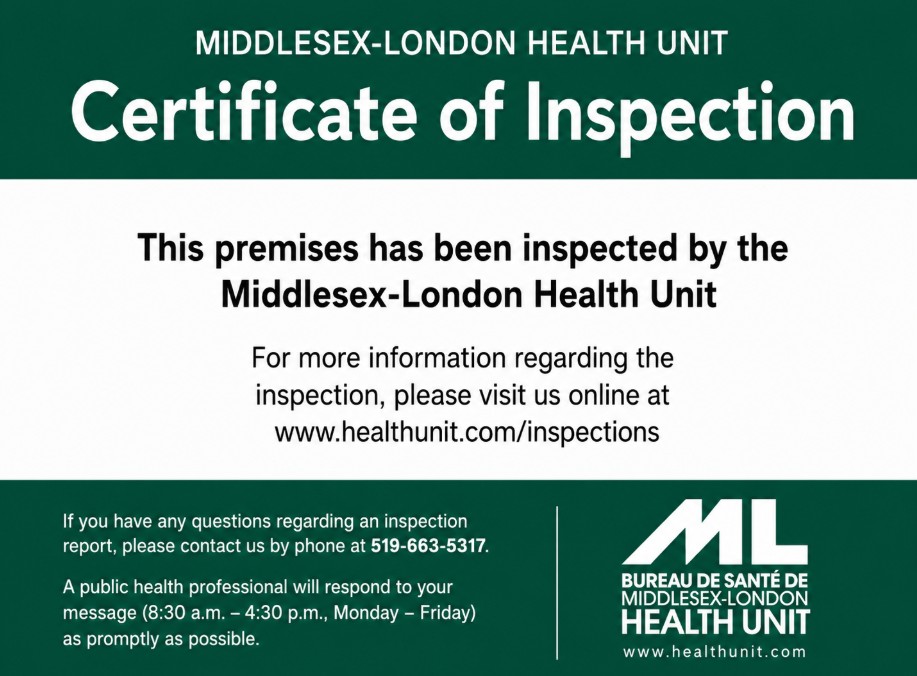
Professional standards matter more than weight-loss promises.
Whatever brings you to our clinic, cleanliness, careful equipment handling and transparent treatment procedures remain important.
Rose Cupping Therapy emphasizes clean treatment areas, careful equipment handling and appropriate single-client materials where applicable.
Experienced cupping. Responsible weight-related expectations.
Rose Cupping Therapy's practitioner profile identifies Anwar Iraki as a cupping specialist with more than 36 years of experience in traditional cupping practices.
His work includes dry cupping and traditional wet cupping / Hijama, with the treatment explained before the session begins.
Cupping expertise is different from dietetics, obesity medicine or endocrinology. Weight-related medical or nutritional concerns should remain with appropriately qualified professionals.
Questions about cupping for weight loss.
Straightforward answers for people exploring cupping while working toward broader weight-management goals.
Can cupping make me lose weight?
Some studies have reported changes in weight or BMI among people receiving cupping, but the evidence has important limitations and does not justify guaranteeing that an individual will lose weight from cupping.
Does cupping burn belly fat?
Cupping should not be described as directly burning or removing abdominal fat. Placing cups on the abdomen does not establish targeted fat loss.
Does cupping increase metabolism?
There is not enough reliable evidence to promise that cupping meaningfully increases metabolic rate or creates predictable weight loss.
Can cupping reduce appetite?
Cupping should not be marketed as a dependable appetite suppressant or a treatment that predictably changes appetite-related hormones.
Can cupping reduce inches around my waist?
Some research has reported average changes in waist circumference, but study limitations mean we cannot promise a specific reduction in inches or attribute changes entirely to cupping.
Is wet cupping better than dry cupping for weight loss?
There is not enough strong evidence to say that either technique is a superior weight-loss treatment. Dry and wet cupping are different procedures and should be selected based on the treatment being considered.
Does wet cupping remove weight-loss toxins?
Wet cupping should not be described as removing unspecified toxins or metabolic waste that would otherwise prevent weight loss.
How many cupping sessions will it take to lose weight?
There is no evidence-based number of cupping sessions that guarantees a specific amount of weight, body fat or circumference reduction.
Can I use cupping while following a weight-management program?
Some people choose cupping as a complementary wellness practice while following a separate nutrition, activity or medically supervised weight-management program. Relevant health conditions and medications should be discussed beforehand.
How do I book cupping in London, Ontario?
Call Rose Cupping Therapy at (519) 601-7678 or use our contact page to ask about appointment availability.
Continue learning before your appointment.
Explore related body, wellness and treatment information from Rose Cupping Therapy.
Complementary cupping for your broader wellness routine.
Rose Cupping Therapy welcomes clients who are interested in cupping while also working toward broader personal health or weight-management goals.
We provide dry cupping and traditional wet cupping / Hijama from our London, Ontario clinic.
Our approach avoids promises that cupping will burn fat, suppress appetite, increase metabolism or produce a guaranteed amount of weight or inch loss.
Discuss a Cupping SessionInterested in adding cupping to your wellness routine?
Contact our London clinic to discuss dry cupping, wet cupping, relevant health considerations and what to expect from your appointment.