Cupping for Thyroid
Wellness in London, Ontario.
Living with a thyroid condition can involve medication, blood tests, follow-up appointments and changes in how you feel from day to day. Some people also choose cupping as a complementary wellness practice alongside their established thyroid care.
Your thyroid controls much more than one symptom.
The thyroid is a small, butterfly-shaped gland in the lower front of the neck. It produces hormones that influence how the body uses energy and affect many organs and body systems.
When the thyroid produces too little hormone, the condition is called hypothyroidism. When it produces too much, it is called hyperthyroidism.
Autoimmune conditions such as Hashimoto's disease and Graves' disease are common causes of thyroid dysfunction. Thyroid nodules, thyroiditis and other conditions can also affect the gland.
Because fatigue, weight changes, temperature sensitivity, mood changes and other symptoms can have many possible causes, thyroid disease cannot be reliably diagnosed from symptoms alone.
Thyroid function is evaluated through appropriate healthcare assessment and tests such as TSH and thyroid hormone measurements. Cupping cannot determine whether thyroid hormone levels are too high, too low or normal.
“Thyroid problems” are not one single condition.
The right medical approach depends on what is actually happening with the thyroid gland and thyroid hormone levels.
Too little thyroid hormone
Hypothyroidism may be associated with fatigue, feeling cold, dry skin, constipation and other symptoms. Blood testing is used to confirm the diagnosis rather than symptoms alone.
Too much thyroid hormone
Hyperthyroidism can involve symptoms such as feeling hot, sweating, tremor, weight loss, difficulty sleeping or a fast or irregular heartbeat.
Hashimoto's & Graves' disease
Hashimoto's and Graves' disease involve the immune system and thyroid gland. Cupping should not be presented as correcting the autoimmune process.
Lumps or changes in the thyroid
Thyroid nodules are common and many are benign, but a new neck lump, enlargement or other thyroid abnormality deserves appropriate evaluation rather than treatment based on appearance alone.
Complementary wellness alongside thyroid care.
A person can live with a thyroid condition and still choose complementary wellness practices for reasons unrelated to changing thyroid hormone production.
Some people enjoy cupping because of the treatment experience, general relaxation or because other parts of the body feel tense or uncomfortable.
That is a much more responsible role for cupping than claiming it can regulate thyroid hormones or treat thyroid disease.
Dedicated wellness time
Some clients value the opportunity to slow down and include a traditional wellness practice in their routine.
Tension elsewhere in the body
A person with thyroid disease may also have unrelated muscle tightness or discomfort and may explore cupping for those areas.
Personal or cultural preference
Some people choose dry cupping or Hijama because traditional cupping is personally or culturally meaningful to them.
Alongside — not instead of — treatment
Cupping can remain separate from the medical care used to diagnose, monitor and treat thyroid disease.
What cupping should not promise.
Thyroid hormone levels can be measured. Thyroid disease can be diagnosed. Treatments can be monitored. That makes exaggerated wellness claims especially unnecessary.
We don't promise to balance thyroid hormones.
Cupping has not been established as a treatment that normalizes TSH, T4 or T3 or restores normal thyroid hormone production.
We don't claim to treat Hashimoto's or Graves' disease.
These are autoimmune thyroid diseases. Cupping should not be represented as correcting the underlying autoimmune process or replacing medical treatment.
We don't claim to shrink thyroid nodules or goiters.
Thyroid lumps and enlargement require appropriate evaluation. Cupping cannot determine whether a nodule is benign or whether further testing is required.
We don't claim to “detox” the thyroid.
Cupping should not be described as pulling toxins out of the thyroid gland or removing substances that are interfering with thyroid hormone production.
We don't promise to boost thyroid immune function.
Autoimmune thyroid disease is not treated by simply “boosting” the immune system. Cupping should not be marketed as resetting or correcting thyroid autoimmunity.
Thyroid care starts with knowing what the gland is actually doing.
Symptoms alone are not enough to determine whether someone has an underactive thyroid, overactive thyroid or another thyroid condition.
Healthcare professionals commonly use blood tests to evaluate thyroid function. Additional antibody testing or imaging may be appropriate depending on the situation.
Once the condition is identified, treatment depends on the diagnosis and should be managed by the healthcare professional responsible for your thyroid care.
Some thyroid concerns need assessment — not a wellness treatment.
Cupping should never delay evaluation of a new or changing thyroid or neck problem.
A new or enlarging neck lump
A newly noticed lump, thyroid enlargement or changing nodule should be evaluated appropriately rather than treated with cupping.
Trouble swallowing or breathing
Neck fullness or a lump associated with difficulty swallowing or breathing deserves prompt medical assessment.
Persistent unexplained hoarseness
Persistent voice changes or hoarseness, particularly when associated with a neck lump, should be medically evaluated.
Significant heart symptoms
Hyperthyroidism can affect the heart. Significant racing or irregular heartbeat, fainting or other concerning cardiovascular symptoms require appropriate healthcare.
Pregnancy and thyroid disease
Thyroid hormone levels are particularly important during pregnancy. Known or suspected thyroid disease during pregnancy should remain under appropriate medical care.
Tell us about your thyroid care.
A complementary treatment should fit around your health situation rather than ignore it.
Tell us about your diagnosis
Let your practitioner know if you have hypothyroidism, hyperthyroidism, Hashimoto's, Graves' disease, thyroid nodules or another known thyroid condition.
Tell us about medication
Share relevant medications and health information before treatment, particularly when considering wet cupping.
Tell us about neck changes
A new lump, swelling, tenderness, unexplained neck enlargement or difficulty swallowing should be medically evaluated.
Tell us if you are pregnant
Pregnancy changes health considerations around both thyroid disease and complementary treatments. Discuss your situation before receiving cupping.
A clear, individualized cupping experience.
Your session begins with a conversation about relevant health information and the type of cupping you are considering.
Discuss your health
Tell your practitioner about your thyroid condition, medication and any other relevant health considerations.
Define the purpose
We distinguish general wellness goals from the medical treatment required to regulate thyroid hormone levels.
Controlled cupping
When appropriate, cups are applied to selected treatment areas using the technique being performed.
Leave with clear guidance
Your practitioner explains temporary marks, relevant aftercare and what you may notice following treatment.
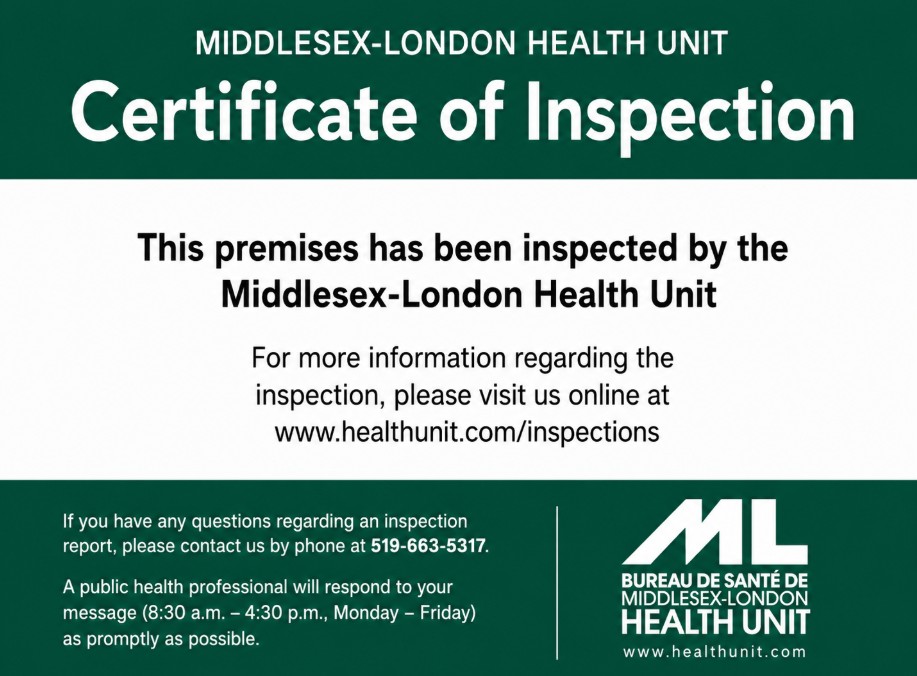
Complementary care still requires professional standards.
Having a thyroid condition does not change the importance of cleanliness, appropriate equipment handling and clear communication during a cupping appointment.
We emphasize clean treatment areas, careful equipment handling and appropriate single-client materials where applicable.
Cupping experience and thyroid medicine are different disciplines.
Rose Cupping Therapy's practitioner profile identifies Anwar Iraki as a cupping specialist with more than 36 years of experience in traditional cupping practices.
His work includes dry cupping and traditional wet cupping / Hijama, with the treatment process discussed before your session.
Thyroid diagnosis, thyroid hormone monitoring and medical treatment remain the responsibility of appropriately qualified healthcare professionals.
Questions about cupping and thyroid health.
Clear information for people considering cupping while living with a thyroid condition.
Can cupping improve thyroid function?
There is not enough high-quality evidence to establish cupping as a treatment that improves thyroid function or normalizes thyroid hormone production.
Can cupping balance TSH, T3 or T4?
Cupping has not been established as a treatment that normalizes TSH, T3 or T4 levels. Thyroid hormone levels are measured through appropriate laboratory testing.
Can cupping treat Hashimoto's disease?
Hashimoto's disease is an autoimmune thyroid condition. Cupping should not be presented as a treatment that stops the autoimmune process or replaces thyroid medication when medication is needed.
Can cupping treat Graves' disease?
Graves' disease is an autoimmune cause of hyperthyroidism. It requires appropriate medical evaluation and treatment. Cupping should not replace that care.
Can cupping shrink thyroid nodules?
Cupping has not been established as a treatment for shrinking thyroid nodules. A thyroid lump or nodule should be evaluated appropriately, which may include examination and thyroid ultrasound.
Should I stop thyroid medication before cupping?
Do not stop, reduce or change prescribed thyroid medication because you are receiving cupping unless the healthcare professional responsible for your thyroid treatment tells you to do so.
Why might someone with thyroid disease choose cupping?
Someone may choose cupping for general relaxation, unrelated muscular tension or because they value the traditional wellness practice. Those reasons are separate from treating thyroid disease itself.
What if I notice a lump or swelling in my neck?
A new or changing neck lump, thyroid swelling, difficulty swallowing, breathing difficulty or persistent unexplained hoarseness should receive appropriate medical evaluation rather than being treated with cupping.
How do I book cupping in London, Ontario?
Call Rose Cupping Therapy at (519) 601-7678 or use our contact page to ask about appointment availability.
Learn more before your appointment.
Explore cupping techniques, related wellness topics and our clinic's hygiene standards.
Complementary cupping care in London.
Rose Cupping Therapy welcomes clients living with thyroid conditions who are interested in cupping as part of a broader personal wellness routine.
We provide dry cupping and traditional wet cupping / Hijama from our London, Ontario clinic.
We do not present cupping as a replacement for thyroid testing, medication, endocrinology care or another treatment recommended for your thyroid condition.
Discuss a Cupping SessionConsidering cupping alongside your thyroid care?
Contact our London clinic to discuss dry cupping, wet cupping, your general wellness goals and what to expect from an appointment.