Wet Cupping Therapy
Wet Cupping Therapy
in London, Ontario.
Explore traditional wet cupping, also known as Hijama, at Rose Cupping Therapy. Our London clinic combines experienced practice with careful hygiene, transparent preparation and personalized attention.
What is wet cupping therapy?
Wet cupping, commonly called Hijama, is a traditional form of cupping in which suction is combined with small, superficial openings in the skin.
During the process, cups are first used to create controlled suction on selected treatment areas. After the initial suction phase, the practitioner performs a superficial skin technique and reapplies the cups for a short period.
Because wet cupping involves the skin and a small amount of blood, careful hygiene, appropriate single-client materials and proper handling of treatment supplies are especially important.
At Rose Cupping Therapy, the process is explained before treatment so clients know what to expect and have an opportunity to ask questions.
Dry cupping relies on suction without piercing the skin. Wet cupping includes a controlled, superficial skin technique and therefore requires additional attention to hygiene and aftercare.
What happens during a Hijama session?
Your practitioner explains the process before treatment begins and guides you through each stage.
Discuss your appointment
Your practitioner asks about relevant health considerations, your questions and why you are exploring wet cupping.
Cups are positioned
Cups are placed on selected areas and controlled suction is applied for an initial period.
Superficial skin technique
The cups are removed, a controlled superficial skin technique is performed, and suction is reapplied for a short period.
Clean and protect
The treatment area is cleaned and your practitioner explains appropriate aftercare before you leave.
A traditional practice used for different wellness goals.
People seek wet cupping for many different reasons. Some are interested in traditional Hijama, while others explore cupping as a complementary approach to discomfort, muscle tension, relaxation or athletic recovery.
Individual experiences vary, and wet cupping should not be presented as a cure or replacement for appropriate medical care.
Hijama
Some clients seek wet cupping because of its long history in Middle Eastern and Islamic wellness traditions.
Muscle tension
Cupping is commonly explored by people looking for a complementary approach to tight or uncomfortable muscles.
Athletic routines
Some athletes include cupping as one component of their broader recovery and wellness routine.
Stress & wellness
Some people find the overall treatment experience relaxing and incorporate cupping into their personal wellness routine.
Traditional practice. Responsible claims.
Cupping has been practiced for centuries, but traditional use and modern scientific evidence are not the same thing.
Research into cupping continues, and people report different experiences. We believe the responsible approach is to explain the treatment honestly, avoid guaranteeing results and encourage appropriate medical care when needed.
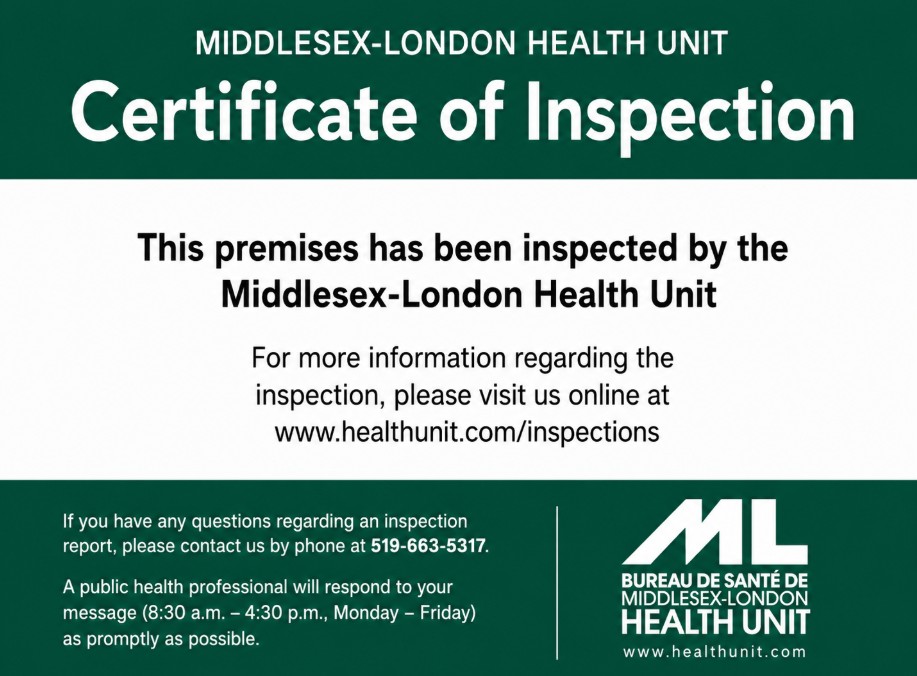
Wet cupping requires serious attention to hygiene.
Because wet cupping involves superficial skin openings and contact with blood, treatment materials and hygiene procedures matter.
Rose Cupping Therapy emphasizes carefully prepared treatment areas and appropriate single-client materials throughout wet cupping appointments.
Tell us what may be relevant before treatment.
Wet cupping is not appropriate for every person or every situation. Relevant health information should be discussed before treatment.
Bleeding or clotting concerns
Tell your practitioner if you have a bleeding disorder, clotting condition or other concern involving bleeding.
Medications
Tell your practitioner about medications that could affect bleeding, bruising or healing.
Pregnancy or medical conditions
Pregnancy and certain medical conditions may affect whether cupping is appropriate. Discuss relevant circumstances before treatment.
Skin concerns
Active skin infection, significant irritation, open wounds or some skin conditions may affect whether a particular area should be treated.
What you may notice after wet cupping.
Your practitioner will provide aftercare guidance based on your individual session.
Redness or circular marks
Cupping commonly leaves temporary circular discoloration or redness where suction was applied.
Follow your aftercare guidance
Follow the instructions provided by your practitioner for keeping treated areas clean and protected after wet cupping.
Watch for unusual symptoms
Contact an appropriate healthcare professional if you experience severe pain, fever, spreading redness, drainage or other signs of infection.
Wet cupping with decades of focused experience.
Rose Cupping Therapy's practitioner profile identifies Anwar Iraki as a dedicated cupping specialist with more than 36 years of experience in traditional cupping practices.
His work includes both wet cupping / Hijama and dry cupping, with treatment approached on an individual basis.
Questions about Hijama.
Helpful information for people considering wet cupping therapy in London, Ontario.
What is wet cupping therapy?
Wet cupping, also known as Hijama, combines suction with a controlled superficial skin technique. Cups are used before and after the superficial skin step.
What is the difference between wet cupping and dry cupping?
Dry cupping uses suction without piercing the skin. Wet cupping includes a superficial skin technique and therefore involves additional hygiene and aftercare considerations.
Does wet cupping hurt?
Sensations vary by person. Suction can feel tight, and the superficial skin portion may cause brief discomfort. Tell your practitioner immediately if you experience significant pain.
Does wet cupping leave marks?
Temporary circular discoloration, redness, tenderness and small superficial skin marks can occur following wet cupping.
Is Rose Cupping Therapy inspected?
Rose Cupping Therapy displays its Middlesex-London Health Unit Certificate of Inspection on the website and at the clinic.
Should I stop medication before Hijama?
Do not stop or change prescription medication for a wet cupping appointment unless the healthcare professional who prescribed it has instructed you to do so.
How do I book wet cupping in London, Ontario?
Call Rose Cupping Therapy at (519) 601-7678 or use our contact page to ask about appointment availability.
Learn more about Hijama and cupping care.
Explore our clinic standards, related treatments and additional cupping therapy information.
Professional Hijama care in London.
Rose Cupping Therapy provides professional wet cupping and Hijama from our London, Ontario clinic.
Whether you are familiar with traditional Hijama or are researching wet cupping for the first time, we encourage you to ask questions about the procedure, hygiene, aftercare and whether treatment is appropriate for you.
Our approach combines traditional cupping experience with a clean, professional and transparent clinic environment.
Book Wet Cupping TherapyReady to discuss a wet cupping session?
Contact our London clinic to ask questions about Hijama, wet cupping procedures, safety or appointment availability.