Cupping for Mental
Wellness & Relaxation.
Some people include cupping in their personal wellness routine when looking for time to slow down, relax and address the physical tension that can accompany everyday stress.
Where cupping fits — and where it doesn't.
Mental health deserves accurate information. Cupping may be used as a complementary wellness practice, but it is not an established treatment for anxiety disorders, depression or other mental health conditions.
Some people nevertheless enjoy cupping as part of a broader self-care routine because the appointment gives them dedicated time to slow down, relax and focus on their physical comfort.
Everyday stress can also be experienced physically. People may notice muscle tightness, headaches, changes in sleep, fatigue or general tension during demanding periods of life.
Cupping may be explored for the physical and relaxation aspects of wellness, while appropriate mental health care should remain separate and continue when needed.
Rose Cupping Therapy does not present cupping as a replacement for psychotherapy, counselling, medication prescribed by a healthcare professional or other evidence-based mental health treatment.
Mental strain can come with physical tension.
Stress is both an emotional and physical experience. This is one reason some people combine different wellness practices with their established care.
Stress can feel physical.
Busy or stressful periods are often accompanied by tight shoulders, neck tension or a general feeling of physical strain. Some people explore cupping as part of a routine focused on physical comfort.
Creating space to slow down.
A scheduled wellness appointment can provide uninterrupted time away from work, screens and daily demands. Some clients simply value the pause itself.
Notice where you hold tension.
Taking time to notice areas of tightness or discomfort can help people become more aware of how stress shows up physically in their everyday lives.
One part of a larger routine.
Cupping can sit alongside exercise, sleep routines, mindfulness, social support and professional mental health care rather than replacing any of them.
Why some people find a cupping session relaxing.
Individual experiences vary. Some people describe the quiet setting, physical stillness and dedicated appointment time as relaxing.
We focus on creating a professional environment where you can understand the technique, ask questions and communicate about your comfort throughout the session.
A break from the routine
A cupping appointment can provide a period where the focus is simply on the session rather than everyday tasks.
Attention to tension
People sometimes explore cupping when physical tightness is one part of their broader stress experience.
A session adapted to you
Your practitioner discusses your comfort, questions and which cupping approach is being considered.
Part of a bigger picture
Cupping may be one wellness activity among many rather than a standalone answer for emotional or psychological concerns.
We won't promise that cupping treats anxiety or depression.
Traditional use, personal experiences and scientific evidence are different things.
Research has examined cupping for a variety of health concerns, but evidence remains limited for many claimed benefits.
There is not enough high-quality evidence to describe cupping as an established treatment for anxiety disorders, depression or other mental health conditions.
What cupping should not replace.
Choosing complementary wellness practices does not mean choosing between them and established mental health care.
Psychotherapy or counselling
Cupping does not replace therapy provided by an appropriately qualified mental health professional.
Prescribed medication
Do not stop, reduce or change prescription medication because you are receiving cupping.
Medical or psychiatric assessment
Cupping does not diagnose anxiety disorders, depression or other mental health conditions.
Urgent mental health support
A wellness appointment is not an emergency mental health service. Urgent or crisis concerns require appropriate professional help.
A calm, straightforward cupping experience.
You should understand what is happening before treatment begins.
Discuss your goals
Tell your practitioner what brings you in, ask questions and discuss relevant health information.
Choose the approach
Your practitioner explains whether dry or wet cupping is being considered and what that process involves.
Controlled cupping
Cups are positioned and controlled suction is applied while your comfort is monitored.
Understand what comes next
Your practitioner explains temporary marks, relevant aftercare and what you may notice afterward.
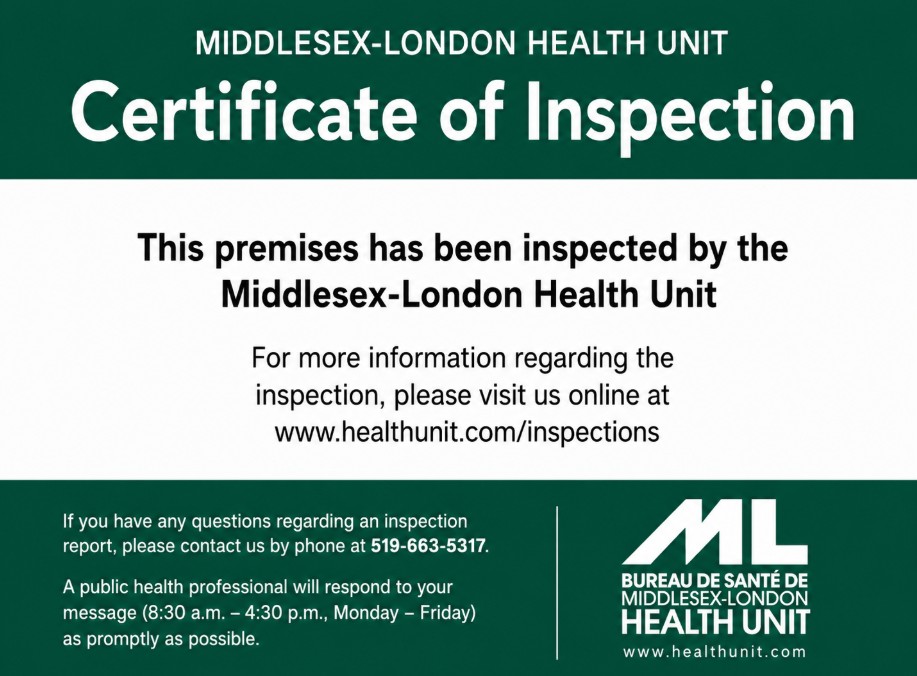
A relaxing environment still needs professional standards.
Whether your reason for visiting is relaxation, physical comfort or general wellness, clinic hygiene and careful treatment procedures matter.
We emphasize clear communication, careful preparation and appropriate treatment procedures throughout your appointment.
Personalized cupping from an experienced practitioner.
Rose Cupping Therapy's practitioner profile identifies Anwar Iraki as a cupping specialist with more than 36 years of experience in traditional cupping practices.
His approach includes both dry cupping and wet cupping / Hijama, with an emphasis on explaining the process and adapting the session to the individual.
Questions about cupping, stress and mental wellness.
Clear answers for people considering cupping as part of a broader wellness routine.
Can cupping treat anxiety?
Cupping is not an established treatment for anxiety disorders. Some people may find a cupping appointment relaxing, but persistent or significant anxiety should be discussed with an appropriate mental health or healthcare professional.
Can cupping treat depression?
Cupping should not be presented as a treatment for depression and should not replace psychotherapy, medication or other evidence-based mental health care.
Can cupping help me relax?
Individual experiences vary. Some people describe the quiet setting, physical stillness and overall cupping experience as relaxing.
Is dry or wet cupping better for stress?
There is not good evidence establishing either technique as a treatment for stress or mental health conditions. Dry and wet cupping are different procedures, so the choice should be based on the type of cupping experience being considered rather than a promise of a mental health outcome.
Should I stop mental health medication before cupping?
No prescription medication should be stopped, reduced or changed for a cupping appointment unless the healthcare professional who prescribed it has instructed you to do so.
Can cupping replace therapy or counselling?
No. Cupping is a complementary wellness practice and does not replace psychotherapy, counselling or other professional mental health treatment.
How do I book a cupping session in London, Ontario?
Call Rose Cupping Therapy at (519) 601-7678 or use our contact page to ask about appointment availability.
Continue learning before your appointment.
Explore related treatments, wellness topics and Rose Cupping Therapy clinic standards.
A quiet, professional cupping experience in London.
Rose Cupping Therapy welcomes clients exploring cupping as part of their relaxation and personal wellness routine.
We provide both dry cupping and traditional wet cupping / Hijama from our London, Ontario clinic.
If stress, anxiety, low mood or another mental health concern is persistent or interfering with your daily life, cupping should not replace appropriate professional assessment and care.
Contact Rose Cupping TherapyLooking for some time to slow down?
Contact our London clinic to ask about dry cupping, wet cupping, appointment availability and what to expect from a session.