Wet Cupping in London, Ontario.
Rose Cupping Therapy provides traditional wet cupping / Hijama from our London, Ontario clinic. With more than 36 years of cupping experience, Anwar Iraki offers a treatment-focused approach built around clear communication, hygiene and realistic expectations.
A dedicated London clinic for traditional wet cupping.
Wet cupping, commonly known as Hijama, combines suction with controlled superficial openings in the skin so that a small amount of blood can enter the cup.
It is a traditional practice with a long history in several cultures, including Middle Eastern and Islamic traditions.
At Rose Cupping Therapy, wet cupping is performed at our London clinic by Anwar Iraki, whose practitioner profile reflects more than 36 years of cupping experience.
We focus on the procedure itself, appropriate hygiene and individual treatment considerations without promising that wet cupping will cure a disease or “detoxify” the body.
We respect the history of wet cupping while keeping medical claims separate from traditional explanations and personal wellness experiences.
Suction, superficial skin openings and controlled treatment.
Wet cupping differs from dry cupping because the skin is intentionally opened during the procedure.
Controlled negative pressure
Cups are applied to appropriate treatment areas and suction gently draws the skin upward into the cup.
Superficial skin openings
During wet cupping, controlled superficial openings are made in the skin so a small amount of blood can enter the cup.
The skin requires care afterward
Because the skin has been intentionally opened, wet cupping requires more attention to hygiene, bleeding and aftercare than dry cupping.
Same use of suction. Different procedures.
Understanding the difference makes it easier to decide which type of appointment you want to discuss.
Suction with intentional skin opening.
Wet cupping involves suction together with controlled superficial openings in the skin and a small amount of blood.
This introduces additional hygiene, bleeding and aftercare considerations.
Full Wet Cupping GuideSuction without intentional skin opening.
Dry cupping uses controlled suction without intentionally piercing the skin or drawing blood.
It may be preferred by people who want cupping without the wet-cupping component.
Explore Dry CuppingCupping research exists — but the evidence has limits.
Cupping has been studied for pain and a number of other conditions. However, much of the available research is low quality.
There is some evidence suggesting cupping may help with pain, but the evidence is not strong enough to guarantee benefit.
There is not enough high-quality research to conclude that cupping reliably treats many of the other conditions frequently promoted online.
Possible benefit, not a guarantee
Some cupping research reports pain improvement, but study quality and consistency limit how confidently results can be predicted.
Blood is not automatically “toxins”
The small amount of blood involved in wet cupping should not automatically be described as toxins, waste products or “stagnant blood” being removed.
Not a substitute for diagnosis
Wet cupping should not replace appropriate assessment or treatment for chronic pain, headaches, neurological symptoms or another medical concern.
Experiences differ
A positive personal experience does not establish that an underlying injury or medical condition has been cured.
What to expect at our London clinic.
Your appointment begins with a conversation about the treatment you are considering and relevant health information.
Discuss your reason for visiting
Tell your practitioner what brought you to the clinic, relevant symptoms, medications and health considerations.
Prepare treatment areas
Appropriate areas are selected and the treatment setup is prepared before wet cupping begins.
Wet cupping / Hijama
Suction is applied together with the controlled superficial skin technique used for wet cupping.
Leave with clear instructions
Temporary marks, skin care and relevant aftercare are explained before you leave the clinic.
Wet cupping is not appropriate for everyone.
Because wet cupping intentionally opens the skin and involves blood, certain health conditions and medications deserve special attention.
Bleeding or clotting concerns
Tell your practitioner about bleeding disorders, clotting problems, anemia or anything that affects your ability to stop bleeding normally.
Anticoagulant or antiplatelet medication
Medication that affects bleeding or bruising is particularly relevant to wet cupping and should be disclosed before treatment.
Pregnancy
Tell your practitioner if you are pregnant. Your healthcare professional can help determine whether complementary treatment is appropriate for your circumstances.
Skin conditions
Wet cupping should not simply be performed through active infection, open wounds or significantly irritated skin. Cupping may also aggravate eczema or psoriasis.
Recent surgery or medical procedure
Recent surgery, injections or procedures near a proposed treatment area should be discussed beforehand.
Know which temporary changes can follow treatment.
Wet cupping can affect both the treated skin and the superficial areas where suction has been applied.
Temporary discoloration
Circular redness, darker discoloration or bruising can occur where suction has been applied and may remain visible temporarily.
Superficial openings need care
Wet cupping intentionally opens the skin, so keeping the treatment area clean and following your practitioner's aftercare instructions is important.
Pay attention to unusual symptoms
Increasing redness, swelling, worsening pain, drainage, persistent bleeding or other concerning symptoms should not simply be assumed to be normal cupping effects.
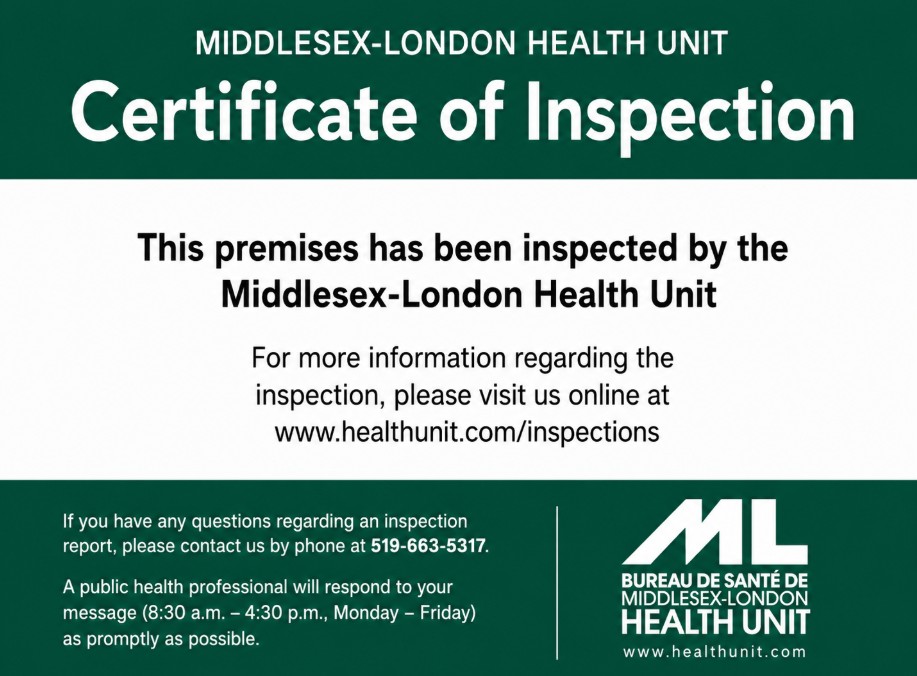
Blood-contact procedures require careful hygiene.
Because wet cupping intentionally opens the skin, infection-control procedures are a particularly important part of the treatment.
Rose Cupping Therapy emphasizes clean treatment areas, careful handling of equipment and appropriate single-client materials where applicable.
More than 36 years of cupping practice.
Anwar Iraki provides traditional wet cupping / Hijama and dry cupping at Rose Cupping Therapy in London, Ontario.
His practitioner profile reflects more than 36 years of experience working with cupping techniques.
That experience relates to cupping technique and treatment practice. It does not replace medical diagnosis or guarantee a particular treatment outcome.
Questions about wet cupping in London.
Straightforward information before booking Hijama at our London, Ontario clinic.
What is wet cupping?
Wet cupping is a traditional practice that combines suction with controlled superficial openings in the skin so a small amount of blood can enter the cup.
Is wet cupping the same as Hijama?
Hijama is commonly used to refer to traditional wet cupping, particularly within Middle Eastern and Islamic traditions.
Does wet cupping remove toxins?
Wet cupping removes a small amount of blood, but this should not automatically be described as extracting unspecified toxins, metabolic waste or stagnant blood from the body.
Can wet cupping help with pain?
Cupping has been researched for pain and some studies report improvement, but the overall evidence is not strong enough to guarantee relief for an individual client.
Is wet cupping safe?
Wet cupping has potential risks because it opens the skin and involves blood. Possible concerns include temporary marks, infection, scarring and bleeding. Repeated wet cupping has also rarely been associated with anemia.
Should I stop blood thinners before Hijama?
Do not stop or change prescription medication for a cupping appointment unless the healthcare professional who prescribed it has instructed you to do so. Tell the clinic about anticoagulant or antiplatelet medication before treatment.
Does wet cupping leave marks?
Yes. Temporary circular redness, discoloration, tenderness or bruising can occur after suction. Wet cupping also involves superficial skin openings that require appropriate aftercare.
Who performs wet cupping at Rose Cupping Therapy?
Anwar Iraki provides wet and dry cupping at Rose Cupping Therapy. His practitioner profile reflects more than 36 years of cupping experience.
Where is your wet cupping clinic in London?
Rose Cupping Therapy is located at 912 Guildwood Blvd, London, Ontario N6H 5S9.
How do I book wet cupping in London?
Call Rose Cupping Therapy at (519) 601-7678 or use our contact page to ask about appointment availability.
Learn more before your London appointment.
Explore our wet-cupping guide, Hijama information, safety standards and practitioner profile.
Book Hijama at our London cupping clinic.
Rose Cupping Therapy provides traditional wet cupping / Hijama from our London, Ontario location.
Our approach emphasizes experienced cupping, clear treatment information, appropriate hygiene and realistic expectations.
If this is your first wet-cupping appointment, contact us beforehand to discuss the procedure and relevant health considerations.
Book Wet Cupping in LondonLooking for wet cupping in London, Ontario?
Contact our London clinic to ask about traditional wet cupping / Hijama, appointment availability and what to expect.