Hijama Clinic in London, Ontario.
Book traditional wet cupping / Hijama directly at Rose Cupping Therapy's London, Ontario clinic.
Our approach combines more than 36 years of cupping experience with clear treatment information, careful hygiene practices and realistic expectations about complementary care.
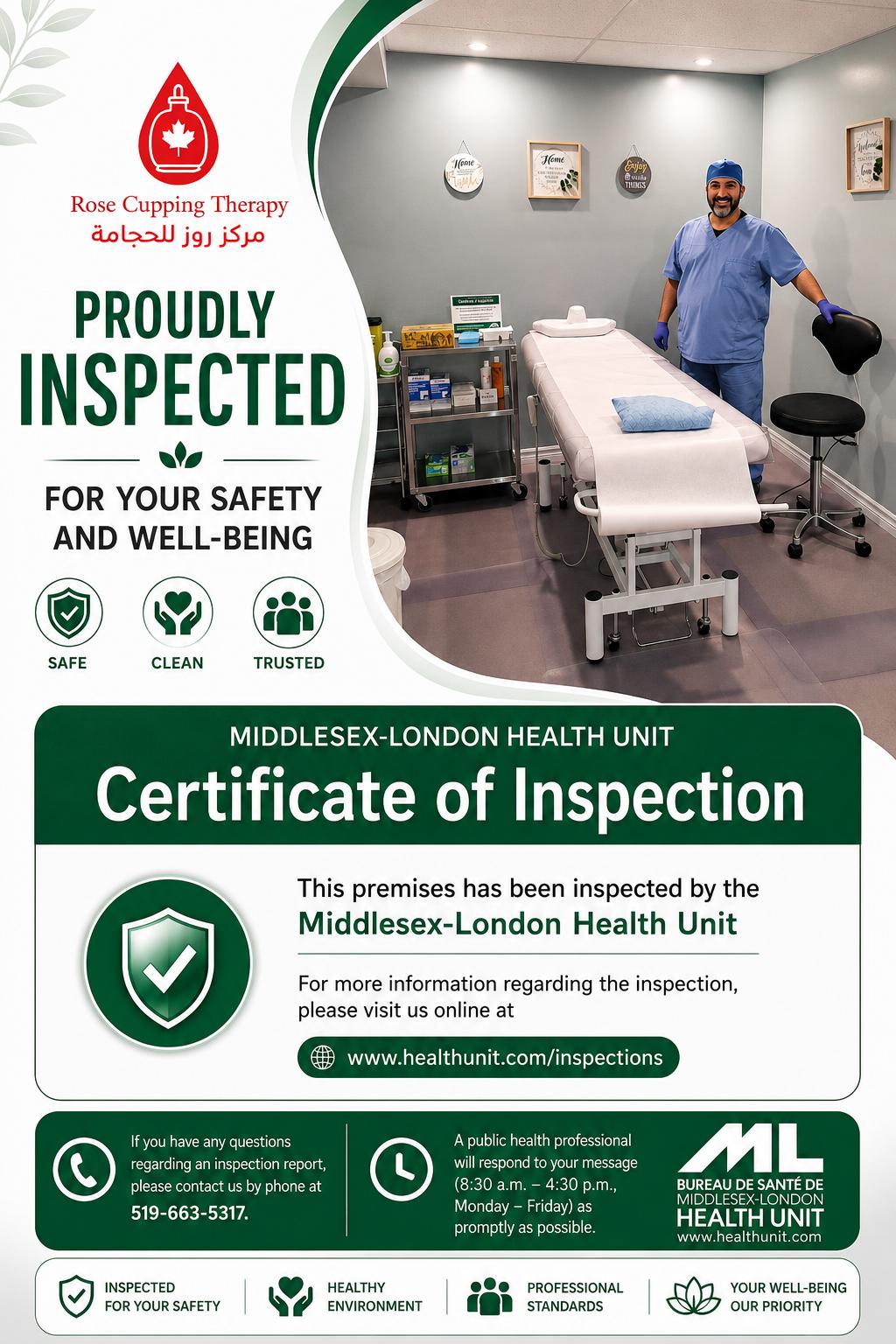
This is our actual London treatment location.
Unlike our regional pages for Toronto, Windsor, Kitchener, Hamilton and other Ontario communities, Rose Cupping Therapy is physically located here in London.
Clients looking for a Hijama clinic in London, Ontario can contact us directly to ask questions, discuss appointment availability and learn whether wet or dry cupping is the service they are considering.
This page focuses specifically on the clinic experience and booking locally. For a more detailed educational explanation of Hijama, its traditional context and the difference between wet and dry cupping, visit our main Hijama guide.
Read the Main Hijama GuideCall (519) 601-7678 to ask questions or confirm appointment availability.
What happens at a Hijama appointment?
The exact approach depends on the individual and whether wet cupping is appropriate.
Relevant information
Tell your practitioner about medications, bleeding concerns, pregnancy, skin issues and relevant health conditions.
Initial cup application
Cups are positioned on selected areas and controlled suction is applied to the skin.
Wet-cupping technique
When wet cupping is appropriate, controlled superficial openings are made as part of the procedure.
Cleaning & aftercare
The treatment area is attended to and relevant aftercare is discussed before you leave.
Wet cupping deserves careful infection-control practices.
Hijama differs from dry cupping because the skin is intentionally opened and blood is involved. That makes hygiene, equipment handling and aftercare especially important.
What cupping research can actually tell us.
Cupping has been researched for pain and other health concerns, but much of the available evidence is low quality.
Some studies suggest possible benefit for pain, but the evidence is not strong enough to predict or guarantee an individual result.
Hijama should therefore be approached as a traditional and complementary practice, not as a replacement for appropriate medical diagnosis or treatment.
Blood is not automatically “toxins.”
Wet cupping removes a small quantity of blood. That does not establish that unspecified toxins or “stagnant blood” have been extracted.
Possible benefit, not guaranteed relief.
Research has explored cupping for pain, but evidence quality and consistency limit how confidently results can be predicted.
No accelerated-healing promise.
Hijama should not be marketed as a proven way to accelerate tissue repair or cure an underlying condition.
Complementary means complementary.
Cupping should not replace prescribed medication, diagnosis, rehabilitation, surgery or other appropriate healthcare.
More than 36 years working with cupping.
Anwar Iraki provides wet cupping / Hijama and dry cupping at Rose Cupping Therapy in London, Ontario.
His practitioner profile reflects more than 36 years of experience working with cupping techniques.
Experience relates to cupping practice and technique. It does not replace medical diagnosis or guarantee a particular outcome.
Wet cupping isn't appropriate for everyone.
Relevant medical conditions and medications should be discussed before a procedure that intentionally opens the skin.
Bleeding or clotting concerns
Tell your practitioner about bleeding disorders, clotting problems, anemia or anything that may affect normal bleeding.
Anticoagulant or antiplatelet medication
Medication that affects bleeding or bruising should be disclosed before wet cupping is considered.
Pregnancy
Tell your practitioner if you are pregnant and discuss complementary treatment with the healthcare professional responsible for your pregnancy care.
Skin conditions
Wet cupping should not simply be performed through active infection, open wounds or significantly irritated skin. Cupping may also aggravate eczema or psoriasis.
Visit Rose Cupping Therapy in London.
If you're searching for a Hijama clinic near you in London, Rose Cupping Therapy provides wet and dry cupping from our Guildwood Boulevard treatment location.
Contact us before your visit to confirm appointment availability and ask any practical questions about wet cupping, preparation or aftercare.
A local page built around the clinic experience.
This page focuses on the questions someone in London is most likely to have before choosing and booking a Hijama appointment.
Actual London address
You are not being redirected to another city. Rose Cupping Therapy's actual treatment location is in London, Ontario.
Inspection information
Our premises inspection information is available to clients who want to understand the clinic's safety context.
Wet and dry cupping
Clients can learn about the procedural difference between Hijama and dry cupping before deciding which service they are asking about.
Before you book.
Common questions about the clinic, wet cupping and appointments in London.
Where is your Hijama clinic in London Ontario?
Rose Cupping Therapy is located at 912 Guildwood Blvd, London, Ontario N6H 5S9.
What is Hijama?
Hijama is a traditional form of wet cupping that combines suction with controlled superficial openings in the skin so a small quantity of blood can enter the cup.
Is Hijama the same as wet cupping?
Hijama generally refers to wet cupping. Dry cupping uses suction without intentionally opening the skin or drawing blood.
Do I need an appointment?
Contact Rose Cupping Therapy before visiting to confirm current appointment availability. You can call (519) 601-7678 or use our contact page.
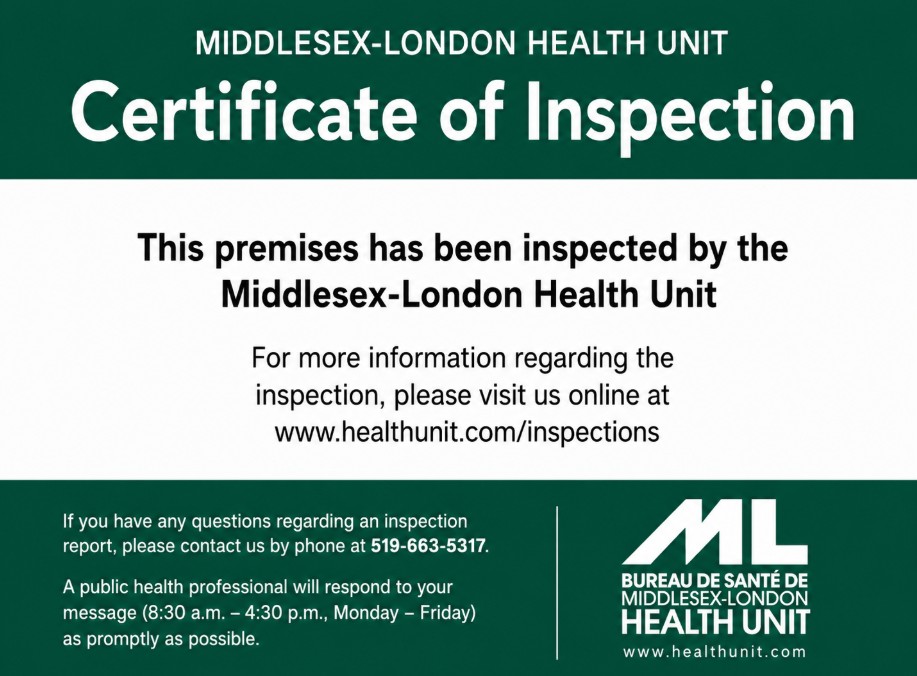
Are your premises inspected?
Yes. Our premises have been inspected by the Middlesex-London Health Unit.
Does Hijama remove toxins?
Wet cupping removes a small amount of blood, but that should not automatically be described as extracting unspecified toxins or stagnant blood from the body.
Can Hijama help with pain?
Cupping has been researched for pain and some studies report improvement, but the overall evidence is not strong enough to guarantee relief for an individual client.
Should I stop blood thinners before Hijama?
Do not stop or change prescription medication for a cupping appointment unless the healthcare professional who prescribed it has instructed you to do so. Tell the clinic about anticoagulant or antiplatelet medication beforehand.
Can Hijama leave marks?
Temporary redness, discoloration, tenderness or bruising may occur after suction. Wet cupping also creates superficial skin openings requiring appropriate aftercare.
Who provides Hijama at Rose Cupping Therapy?
Anwar Iraki provides wet and dry cupping at Rose Cupping Therapy. His practitioner profile reflects more than 36 years of cupping experience.
Where can I learn more about Hijama before booking?
Visit our main Hijama guide for a broader explanation of wet cupping, traditional context, evidence and safety considerations.
Learn more about cupping at Rose Cupping Therapy.
Keep this page focused on the local appointment while deeper information lives on the relevant service pages.
Ready to book your London Hijama appointment?
Contact Rose Cupping Therapy to confirm availability, ask questions about wet cupping and arrange your visit to our London, Ontario clinic.